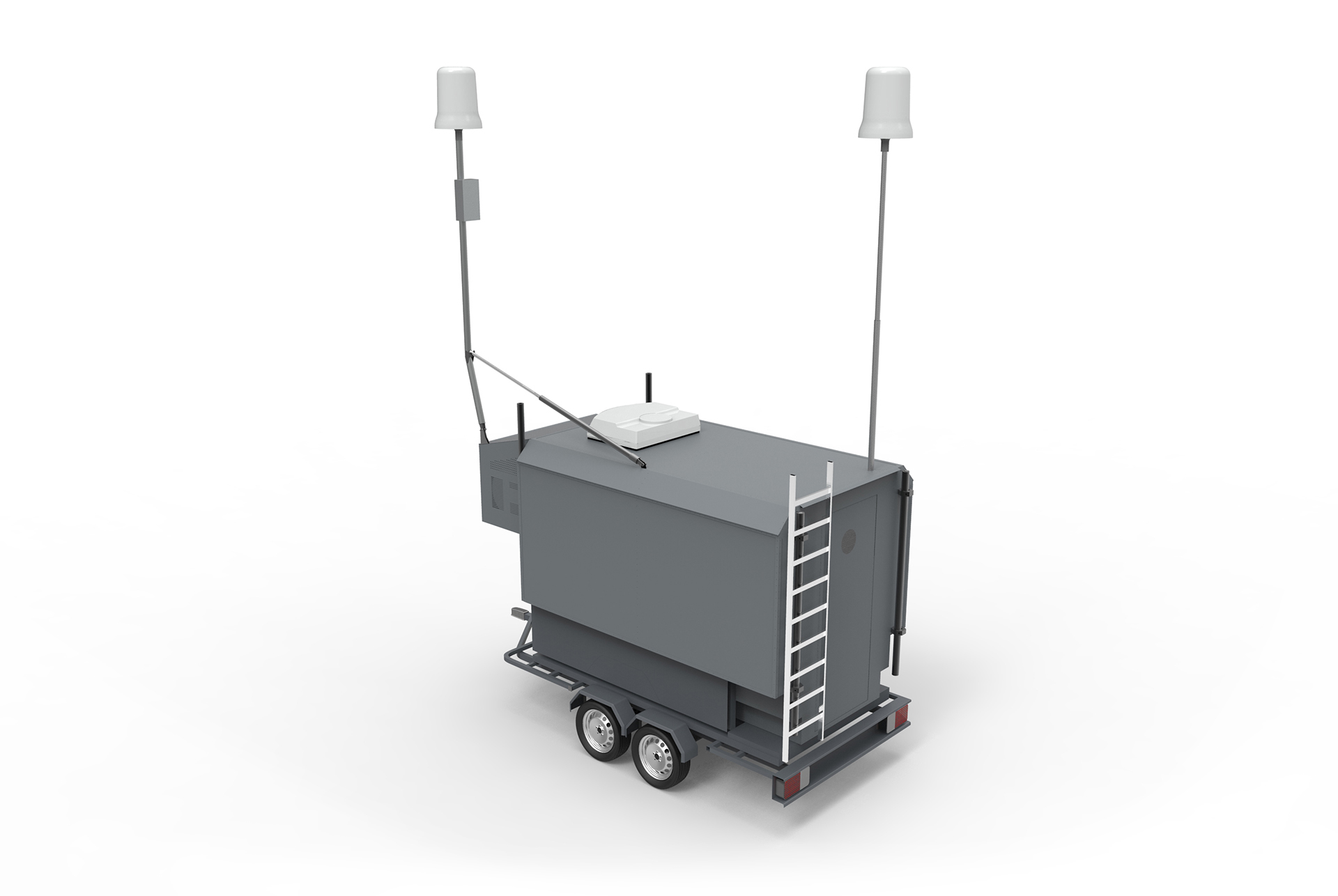

Flight control and data transmission unit
- AUTO PILOT
- GROUND CONTROL STATION (GCS)
- GTRACK ANTENNA
- FLIGHT CONTROL
- FLIGHT SENSORS
- CAMERA DETAILS
- APPLICATIONS
There are three ways to operate Rhino UAV
Manually: The helicopter is piloted by the operator from the command and control unit.
Semi-automatic: The operator is helped by an automatic stabilizer.
Automatic: An Autopilot fully controls Rhino UAV once we introduce flying parameters such as waypoints in the system. In the worst case scenario of signal loss, Rhino UAV can be configured to return to the home base or the nearest safe location.
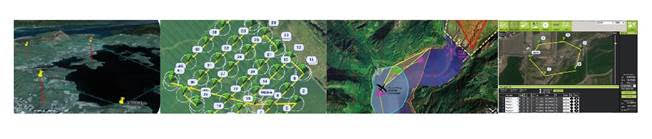
Inertial measurement Magnetic field meter Altimeter Barometer Flight control Automatic return function Control speed, trend control, manual control , monitoring GPS Take off and landing semiautomatic controlling step , the cyclic and lateral rotation Channels, accelerator, step , direction, control G-forces in the turns Adapted flight control function with very efficient front or tail wind up to 73 km/h Adapted flight control function with very efficient 57 km/hour crosswind. Precision Vertical accuracy in flight + – O.5 meters Horizontal accuracy in flight + -1 meters.
Servo motors Output frequency 500 Hz per channel servos Redundancy (12 servos initial version). Communications: 7-channel transmitter and 2.4 GHz.
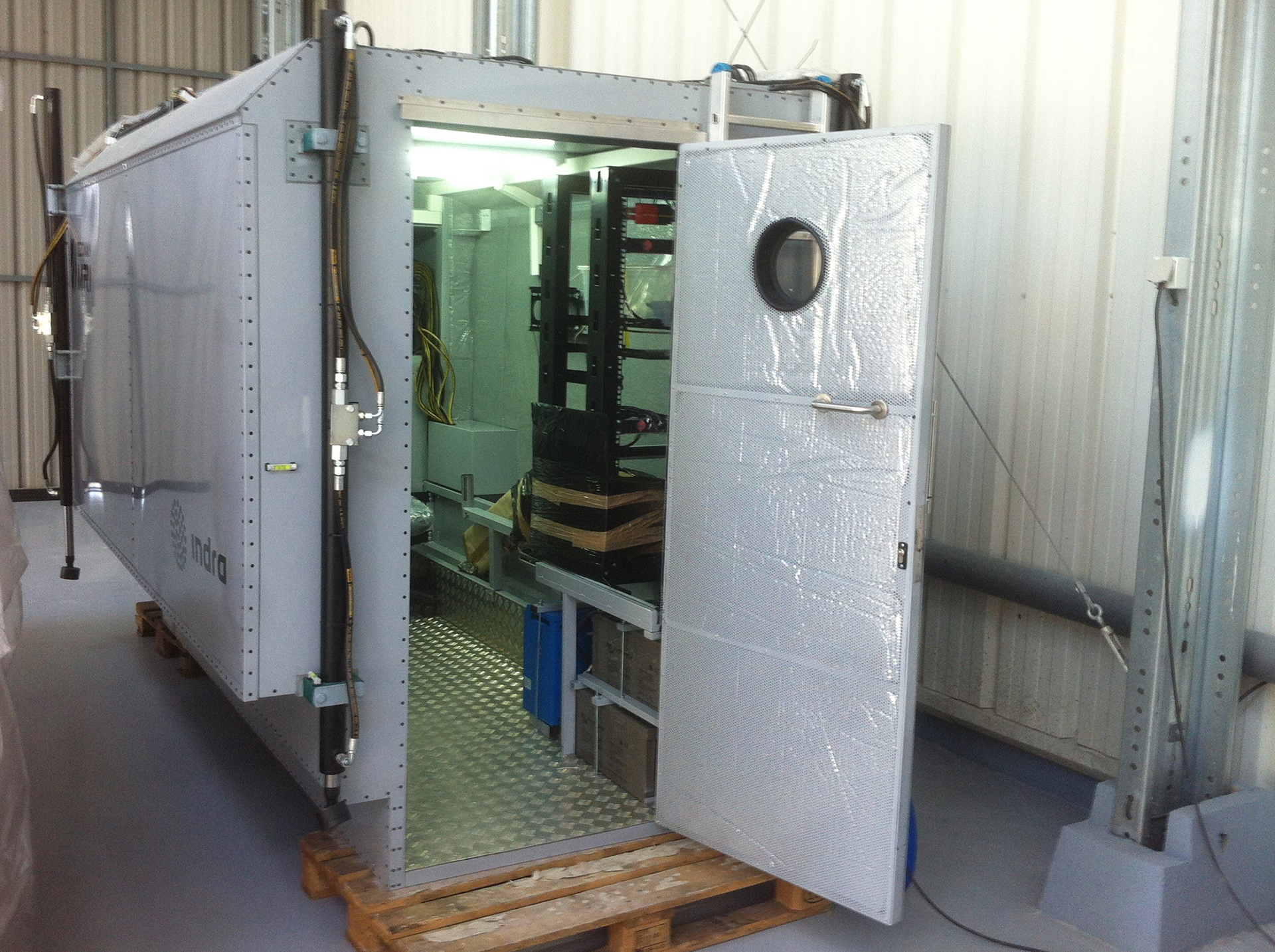
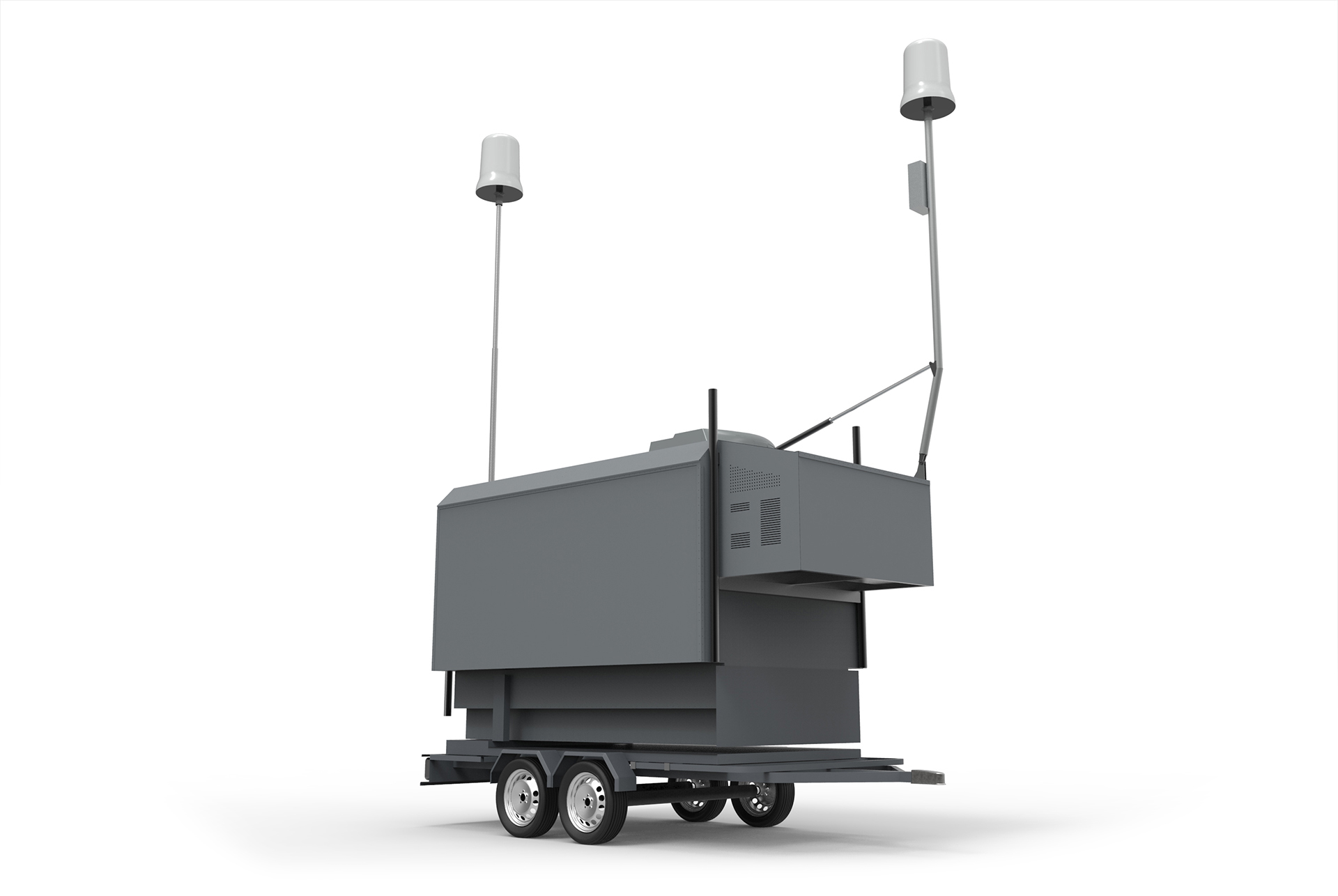
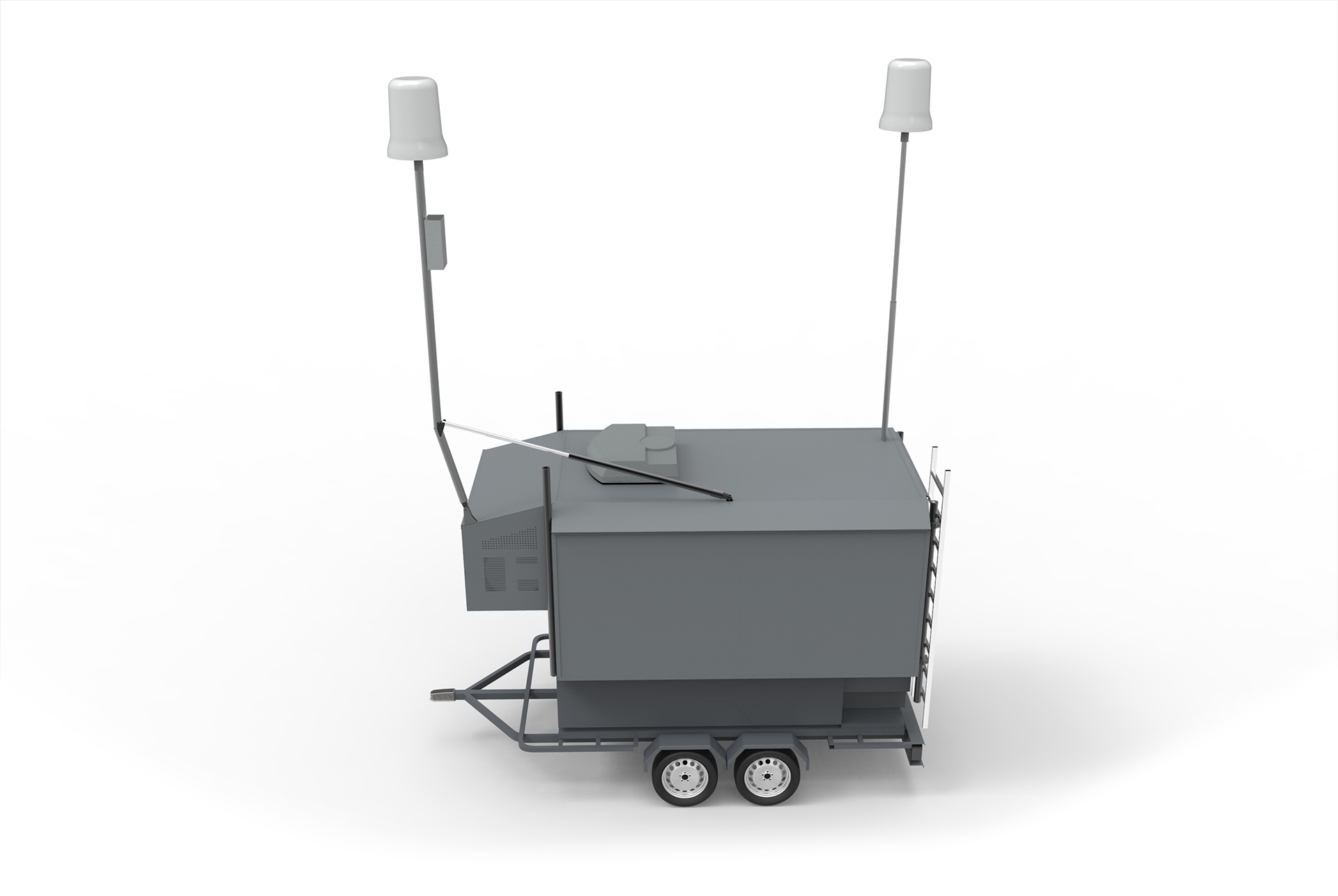
This unit has capacity for 3 operators, racks and communication systems. A HVAC system ventilates the space and everything is powered by batteries and an engine if needed. It can be transported with a trailer or installed in a pick-up with his self-lift hydraulic system
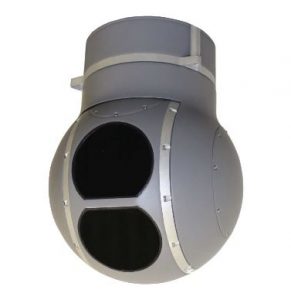
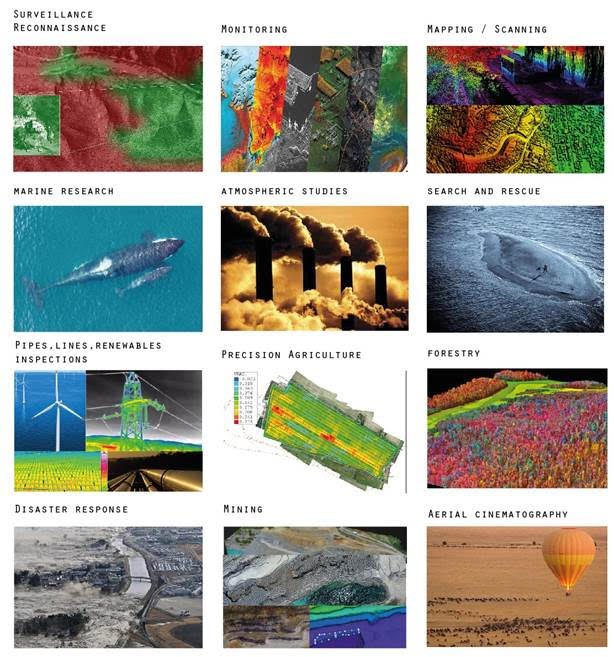
Rhino UAV has a large range of applications that range from civil to military. Due to its massive lift capacity of 90 kg and its endurance of 2-8 hours, rhino makes it singular in plenty of areas.